
Clutter has a way of creeping into our lives, slowly piling up until it becomes overwhelming. Whether it’s a drawer stuffed with papers, a closet filled with clothes you haven’t worn in years, or a garage that barely has room for your car, clutter drains energy and creates stress. A messy home isn’t just about appearances—it affects your mindset, productivity, and overall well-being. But decluttering doesn’t have to be an exhausting, all-at-once event. With the right approach, you can simplify your space without feeling overwhelmed.
Decluttering doesn't mean eliminating everything you possess but clearing up space for the things that are truly valuable to you. It's making your home look serene, efficient, and pleasant. If the idea of decluttering overwhelms you and feels too enormous to handle, then you are certainly not alone. Many have difficulties with which steps to begin, what items to keep, and how to create a lifestyle out of decluttering. The good news is that with a little patience and a plan, you can turn your cluttered space into a peaceful one.
Why Clutter Builds Up and How to Tackle It?
Clutter does not accumulate overnight. It is often the result of gradual buildup associated with habits, emotions, or simply a lack of time to handle it. Some people keep their belongings for emotional reasons. For some, purchasing a new item makes them forget to throw away the old one. At times, clutter may be the result of having no proper system or tools for arranging things.
Start by breaking it up into little, manageable pieces. Decluttering your whole house in a day is a pretty big hurdle to cross. Instead, focus on one space at a time. Begin with the least painful area—a drawer, a shelf, or a small room.
The best method and most effective technique where you never use an item for more than a year; chances are that you don't need it, especially with items like clothing and kitchen. This rule gets even old papers. The second approach is probably the "one in, one out" method, whereby every time you bring something into your home, you get rid of something.
Decluttering means ridding oneself of things and organizing what's left. This ensures that everything gets assigned a home, preventing the clutter from accumulating again. If something doesn't have a home, ask if it really needs to be there.
Room-by-Room Decluttering: Making It Manageable
The best way to create a clutter-free home is to break the process into sections. Every room has its challenges, but the same principles apply.
Living Room:
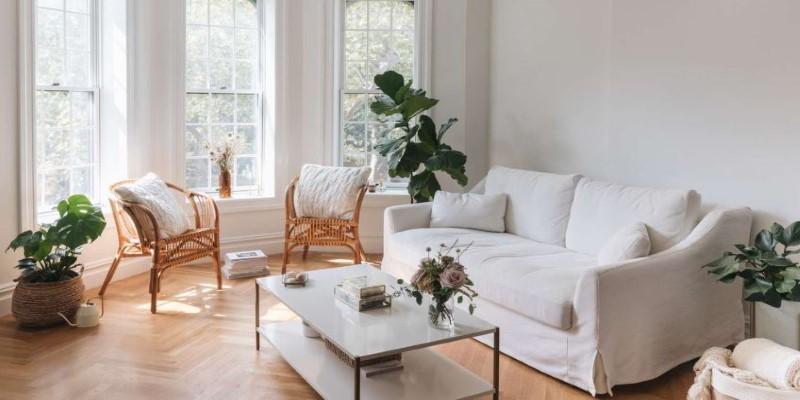
This is often the most used space in a home, which makes it prone to clutter. Start by clearing off surfaces—coffee tables, shelves, and TV stands. Remove unnecessary decor and store or donate items that don’t serve a purpose. Baskets and storage boxes can help keep things like remote controls, magazines, and toys organized.
Bedroom:
A cluttered bedroom can make it harder to relax and sleep well. Clear out your closet by removing clothes you don't wear. If you struggle with letting go, try the "hanger trick"—turn all your hangers in one direction. As you wear and wash clothes, turn the hanger the opposite way. After six months, donate anything that still faces the original direction. Keep only the essentials on nightstands to maintain a calm atmosphere.
Kitchen:
The kitchen tends to collect random gadgets, expired food, and duplicate utensils. Go through your pantry and fridge, discarding anything past its expiration date. If you have more than one item—like three can openers or five spatulas—keep only what you truly need. Use drawer dividers and shelves to maximize space.
Bathroom:
Toiletries, half-used bottles, and expired medications take up space. Toss anything old, dried out, or unused. Keep daily essentials in a designated spot and store extras in a separate bin. This helps maintain a neat and functional bathroom space.
Garage and Storage Areas:
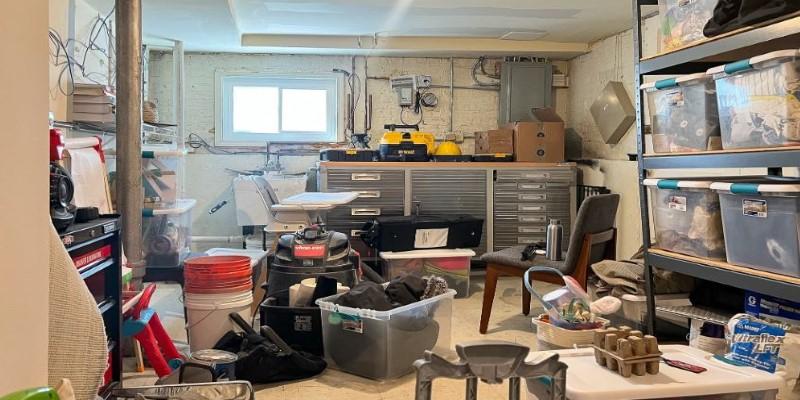
These spaces often become dumping grounds for things we don’t want to deal with. If you haven’t used something in years, you likely won’t use it in the future. Sort items into categories—keep, donate, recycle, or toss. Consider vertical storage solutions to free up floor space.
Keeping Your Home Clutter-Free for the Long Run
Decluttering is only half the battle—maintaining a clutter-free home requires simple habits.
Make it a routine to spend a few minutes each day tidying up. Instead of letting things pile up, return items to their designated spots immediately after use. Setting a rule that nothing is left on surfaces like counters or tables overnight can prevent clutter from creeping back.
A seasonal check-in can also help. Every three to six months, do a quick sweep of your home and identify anything you no longer need. This keeps clutter from accumulating and makes the process easier over time.
Being mindful of what you bring into your home is just as important. Before making a purchase, ask yourself if you truly need the item or if it will add to the clutter. Shopping with intention can prevent unnecessary accumulation.
Lastly, involve your household. If you live with family or roommates, make decluttering a shared effort. When everyone is on board, it’s easier to maintain an organized space.
Conclusion
Decluttering your home isn’t about getting rid of everything—it’s about creating a space that feels peaceful and functional. A clutter-free home reduces stress, improves productivity, and makes daily life easier. By tackling one area at a time, letting go of unnecessary items, and building simple habits, you can maintain an organized space without feeling overwhelmed. The key is consistency—small, daily efforts prevent clutter from returning. When your home is free of excess, you gain more time, energy, and clarity. Decluttering isn’t just about tidying up; it’s about making space for what truly matters in your life.