The island nation of Malta is small and beautiful. It is in the Mediterranean. It might be small, but getting around quickly and easily takes some planning. Malta lets visitors get around the island in a variety of ways, including by bus, ferry, cab, or rented car.
You can save time and enjoy your trip more if you know about the best ways to get around Malta, whether you're only there for a few days or longer. This post will talk about all the important ways to travel, their pros and cons, and helpful hints that will help you get around Malta like a pro.
Public Transport in Malta
Buses: The Most Affordable Option
Malta does not have a train or metro system, so buses are the primary mode of public transport. The bus network is extensive, connecting major cities, tourist attractions, and even remote villages.
- Buses are operated by Malta Public Transport, and schedules can be checked online.
- Tickets can be bought from the driver, but using a Tallinja card (a prepaid travel card) saves money.
- A standard single bus fare costs around €2 in summer and €1.50 in winter.
- While buses are reliable, they can be crowded, especially in tourist-heavy areas.
Tips for Using Buses in Malta:
- Try to avoid rush hours (8 AM - 10 AM and 4 PM - 6 PM) as buses get full.
- Some routes, like the ones to beaches and Gozo ferry terminals, are especially busy in summer.
- Always check the schedule in advance since some buses run less frequently in the evenings.
Renting a Car: Should You Drive in Malta?
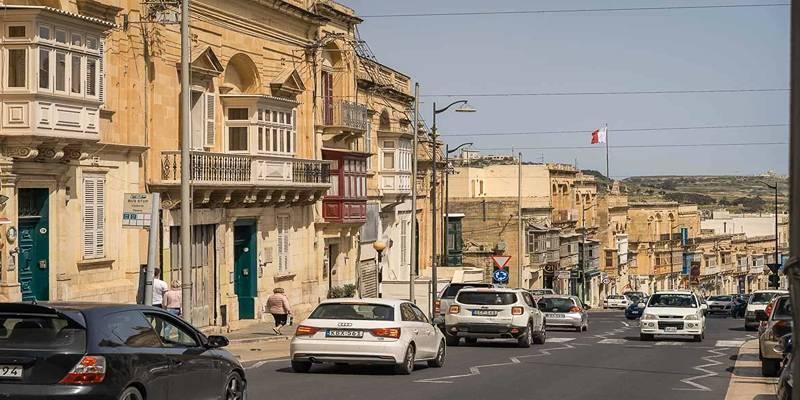
Renting a car gives you the freedom to explore the island at your own pace, but there are a few things to consider before making your decision.
Pros of Renting a Car:
- Perfect for travelers who want to visit off-the-beaten-path locations.
- Saves time compared to public transport, especially in rural areas.
- Allows for flexibility in your travel schedule.
Cons of Renting a Car:
- Malta drives on the left side of the road, which may be challenging for some visitors.
- Parking in popular areas like Valletta and Sliema can be difficult and expensive.
- Roads can be narrow, with lots of traffic in city centres.
Tips for Renting a Car in Malta:
- If you rent a car, opt for a small one—it’s easier to navigate Malta’s streets.
- Be prepared for roundabouts and local driving habits, which can be aggressive at times.
- Watch out for speed cameras and road signs, as traffic rules are strictly enforced.
Taxis and Ride-Sharing in Malta
If you prefer Malta, and travel without the stress of driving or waiting for a bus, taxis and ride-sharing apps are great alternatives.
Taxis:
- White taxis are official taxis that can be found at taxi stands or hailed on the street.
- Fares are not metered, so it's best to agree on a price before starting your ride.
Ride-Sharing Apps:
- Services like Bolt operate in Malta and are often cheaper than traditional taxis.
- Prices are fixed and shown in the app, making them a more transparent option.
Tips for Using Taxis and Ride-Sharing:
- If using a white taxi, confirm the fare before starting the ride.
- Ride-sharing services are widely available in cities but might take longer in rural areas.
Exploring Malta’s Islands by Ferry
Since Malta consists of multiple islands, ferries are essential for traveling between them.
Ferry to Gozo:
- The Gozo Channel ferry operates between Malta and Gozo, departing from Ċirkewwa.
- Ferries run frequently, with the journey taking around 25 minutes.
- No booking is needed; you pay at the Gozo side before returning to Malta.
Ferry to Comino and the Blue Lagoon:
- To visit Malta’s beaches on Comino, you’ll need a separate ferry from Ċirkewwa or Sliema.
- Boats run regularly during the summer months, but services are reduced in winter.
Valletta Ferry Services:
- There are also small ferries connecting Valletta to Sliema and Valletta to the Three Cities (Vittoriosa, Senglea, and Cospicua).
- These ferries offer great views of the harbor and a faster alternative to buses.
Tips for Using Ferries in Malta:
- Ferries can be busy in peak season, so arriving early is recommended.
- The Valletta ferries are quicker and often more scenic than buses or taxis.
Walking and Cycling in Malta
Walking in Malta:
- Many parts of Malta, especially Valletta, are very walkable.
- Keep in mind that some areas have steep hills, and sidewalks can be narrow.
Cycling in Malta:
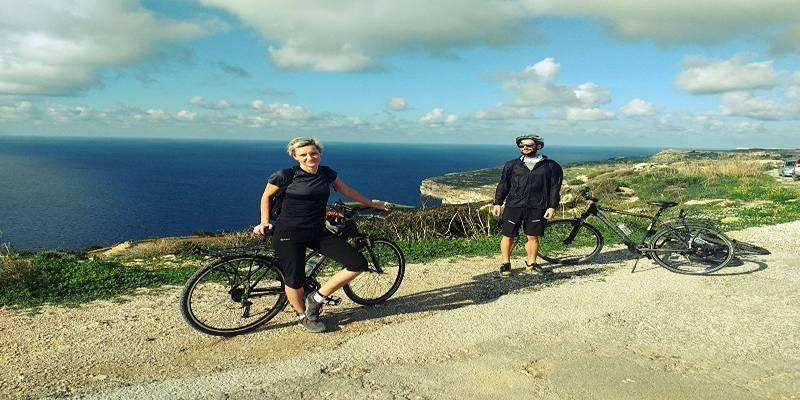
- While cycling is possible, Malta’s roads can be challenging due to traffic and hills.
- If you choose to cycle, use dedicated bike lanes and wear a helmet.
Traveling from the Airport to Your Hotel
Malta International Airport Transport Options:
- Bus: Airport buses (X1, X2, X3, X4) connect to major cities like Valletta and Sliema.
- Taxi: Taxi are available outside the terminal, but ride-sharing apps like Bolt may be cheaper.
- Car Rental: Several car rental agencies operate from the airport.
Tips for Smooth Travel in Malta
- Plan your routes: Malta’s public transport can be slow, so allow extra time.
- Check bus schedules: Some routes have limited service in the evening.
- Use ride-sharing apps: If buses are full, ride-sharing services are a great backup.
- Be prepared for traffic: Valletta and Sliema experience heavy congestion.
- Consider a ferry ride: They can be faster and more scenic than road transport.
Conclusion
Traveling in Malta is simple when you know your options. Whether you choose public transport, ferries, taxis, or a rental car, each method offers different benefits. Buses are budget-friendly, while ferries provide scenic routes. Taxis and ride-sharing apps are convenient, and renting a car offers flexibility. Walking is great for city areas, but some locations may require other transport. By planning, you can explore Malta smoothly and make the most of your trip.