A rare hereditary condition called Usher syndrome affects visual and hearing loss. This disorder is the leading cause of deafblindness. Usually showing up in childhood, symptoms get worse with time. The kind of Usher syndrome affects the degree. Though remedies assist in controlling the symptoms, there is no cure. Cochlear implants and hearing aids help one hear. Assistive tools and vision therapy help one be independent. Families can better grasp the risks of genetic counseling. Better medicines are still under development through constant research.
Having Usher syndrome can be difficult. However, Early diagnosis and treatments help increase the quality of life. This article looks at several therapy choices and emphasizes the most recent studies and lifestyle changes. Knowing these strategies helps families and patients properly control their disease.
Medical Treatments for Usher Syndrome
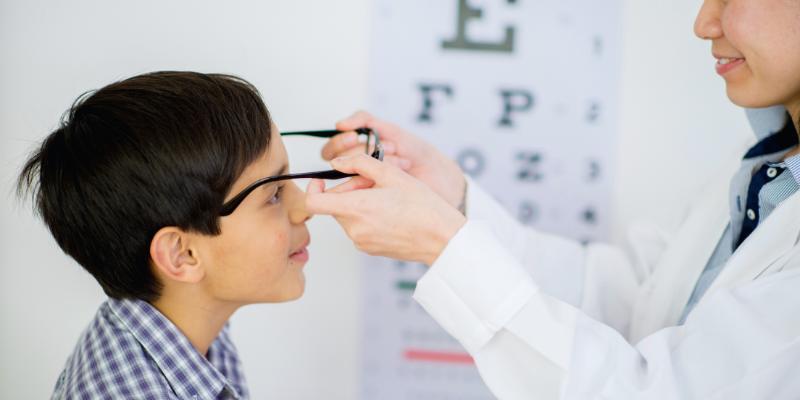
Medical therapies mostly address controlling eyesight and hearing loss. Hearing aids are commonly used for mild to moderate hearing loss. They increase sounds, therefore facilitating conversation. Cooperative implants are advised for extreme hearing loss. These gadgets directly activate the auditory nerve rather than repairing faulty inner ear tissues. Low-vision devices, including magnifiers and customized glasses, assist with daily functioning for vision loss. Mobility training helps some patients negotiate low-light situations better. Retinal implants are in experimental development and might eventually help some people see again.
Though they must be taken under expert supervision, vitamin A pills may slow visual loss. Too much vitamin A might be detrimental to health. Gene therapy is a fascinating area of study aiming to fix genetic abnormalities causing Usher syndrome. Though not yet extensively accessible, it gives hope for the next treatment. Though they significantly increase the patient's capacity to function, medical treatments cannot cure Usher syndrome. Early action guarantees the greatest results available.
Assistive Technologies for Better Living
Increasing independence depends heavily on assistive technology. Thanks to screen readers, people with vision loss can access digital content. Braille displays turn text into raised dots for reading. Voice recognition software makes hands-free gadget control possible. Hearing aid devices enhance communication. In loud surroundings, FM systems and loop systems improve sound clarity. These devices interface with cochlear implants or hearing aids. Applications for text-to-speech help visually challenged people read more easily.
Additionally helpful is smart home technology. Voice-activated assistants run security systems, appliances, and lights. GPS-based mobility aids support navigation. Wearable devices with vibration alerts signal doorbells or alarms. The best outcomes come from combining helpful tools. Frequent training raises comfort and efficiency. As technology develops, those with Usher syndrome will have better options.
Physical and Occupational Therapy
Occupational and physical therapy enables people to accommodate their illness. Inner ear issues cause many people with Usher syndrome difficulty with balance. Physical treatment increases coordination and tones muscles. Exercises aim at stability and fall avoidance. Occupational therapy aids in patients' independent performance of daily tasks. Therapists teach personal care, writing, cooking, and adaptive skills. Special aids help with regular chores, including tactile labeling and talking timepieces.
For those with vision problems, orientation and mobility training are vital. Navigating skills are taught in white cane training. Guide dogs offer still more help and company. Gaining these abilities increases safety and confidence. Therapy sessions are customized to the patient's requirements. Daily living skills and motor ability both increase with regular practice. Better long-term results follow from early therapeutic involvement. For best results, patients should keep constant with their therapy schedules.
Genetic Counseling and Testing
Those with Usher syndrome should receive genetic counseling. It clarifies the inherited character of the condition for families. Genetic testing finds the particular mutation bringing about the disorder. Future family planning and diagnosis depend on this knowledge. Counselors suggest how likely a disorder will be passed on to children. They go over the several reproductive choices at hand, including in-vitro fertilization with genetic screening and prenatal diagnostics.
Testing also supports current research. Researchers examine several genetic variations to create focused treatments. Knowing the genetic origin of Usher syndrome could result in future tailored treatments. Genetic counseling helps patients with emotional support. It helps them manage the difficulties of the illness. Family members learn about approaches to care. According to experts, all those with a family history of Usher syndrome should undergo genetic counseling.

Lifestyle Changes and Home Adaptations
For those with Usher syndrome, small lifestyle adjustments can help to simplify life. Correct home lighting increases visibility and helps to avoid mishaps. Night blindness can be relieved by bright, movable illumination. High-contrast colors facilitate object identification. One's general health is maintained in part by diet. For example, foods high in vitamin A—carrots and leafy greens may help vision. Frequent eye tests find early visual changes. Quick medical action slows down degradation.
Balancing and mobility depend on physical exercise. Low-impact workouts like yoga and swimming can help coordination. Using handrails and avoiding clutter helps to lower fall hazards. Arranging domestic goods guarantees simple access. Home improvements improve security. Navigating appliances and door handles becomes easier when one uses tactile markers. Smart technologies simplify daily chores, therefore improving the quality of life. Adapting to the home surroundings depends much on the support of family members. These lifestyle adjustments encourage independence. Daily living has improved significantly with little changes. People should make their surroundings fit their own needs.
Ongoing Research and Future Treatments
Usher syndrome research is under continuous progress. Researchers are looking at fresh therapies to stop or slow down vision and hearing loss. Gene therapy is aimed at fixing faulty genes. Early experiments suggest encouraging partial function restoration. Still, another developing discipline is stem cell treatment. Scientists are looking at methods of rejuvenating injured retinal cells. For many people, this procedure could provide sight once more if effective.
The development of medicines is underway to slow down the advancement of vision loss. Certain experimental medicines show promise. These medications are under safety and efficacy clinical studies. Artificial vision technology is developing. Retinal implants—called bionic eyes—may provide partial visual restoration. Though still under development, they give hope for further therapeutic approaches. Research advancement depends on increasing awareness of and financing for it. Doctors are committed to providing better answers. Maintaining knowledge of fresh advancements helps patients make wise judgments.
Conclusion:
Though numerous medications assist in controlling the disorder, Usher syndrome damages eyesight and hearing. Cochlear implants and hearing aids help to enhance communication. Assistive tools and vision correction improve independence. Genetic counseling helps with medical decisions and family planning. New treatments like retinal implants and gene therapy are under ongoing research. Lifestyle improvements, including diet alterations and house modifications, improve daily living. Occupational and physical therapy enables people to meet mobility difficulties. Though there is no cure, early intervention offers the best results. Combining several techniques produces better outcomes. Medical technology's developments promise a bright future.