Myanmar, which is sometimes called the "Golden Land," is a country with beautiful scenery, rich cultures, and traditions that have been passed down for generations. At its core, though, are its people, who are a mix of different ethnic groups, each with their own story, traditions, and ways of expressing themselves. Myanmar's people have strong looks that show their long past and strong ties to their roots. Now, let's go on a trip to learn more about Myanmar through its people.
A Land of Diversity
There are over 135 publicly recognized ethnic groups in Myanmar. These include the Bamar (Burman), Shan, Karen, Kachin, Chin, Mon, and Rakhine. Every group adds to the country's cultural fabric, and the different looks on their faces show that they have different personalities and a past that they share. The surroundings are just as different, with rolling hills, lively markets, busy towns, and quiet villages. Each gives you a different look into how people live their daily lives.
The Bamar Majority
Bamar people, who make up the majority, are known for their friendly smiles, traditional longyi (sarongs), and devotion to Buddhist customs. Their lives are closely connected to shrines, celebrations, and their work in agriculture. When these people work in the fields, worship at Buddhist stupas, or take part in traditional events that bring the community together, their faces are often lit up with happiness.
Buddhism runs through the Bamar way of life, and the practice of mindfulness, meditation, and offering alms to monks reflects the deep devotion that defines their existence. Whether they are quietly praying in the early morning hours or celebrating religious holidays with their families, their faces radiate a sense of peace and serenity.
Ethnic Minorities
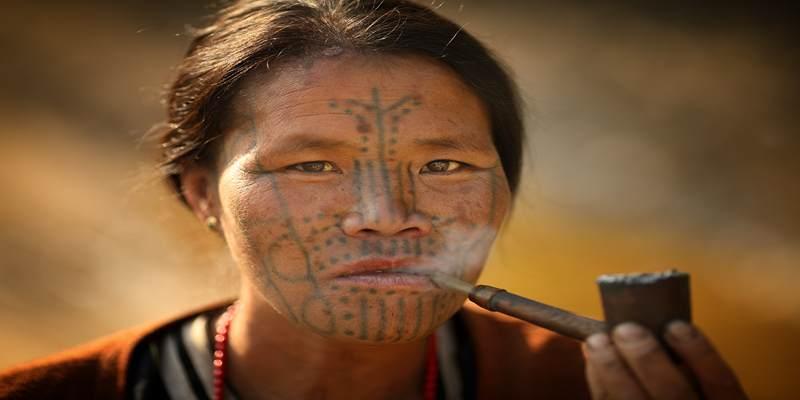
From the Shan highlands to the Kachin mountains, Myanmar's ethnic minorities showcase strikingly diverse facial features, attire, and traditions. The Chin women, for example, are famous for their intricate facial tattoos, an ancient practice with symbolic meanings. Other ethnic groups, like the Karen, Kachin, and Mon, have rich cultural traditions that vary greatly across the country, showcasing the vast diversity that exists within Myanmar's borders.
The faces of these ethnic groups tell stories that span centuries, representing unique customs, struggles, and ways of life. The diversity among Myanmar’s people is one of the most compelling aspects of the country, making it an intriguing destination for travelers seeking to understand the depth of its culture and heritage.
The Language of Thanaka
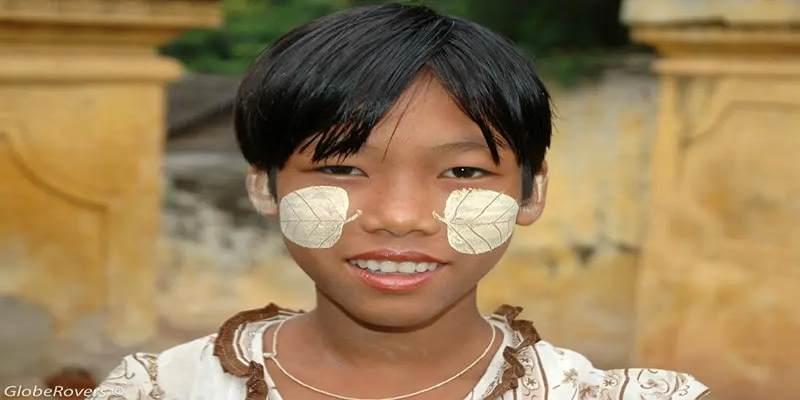
One of Myanmar’s most distinctive cultural practices is the use of thanaka, a yellowish-white paste applied to the faces of men, women, and children. Made from ground bark, thanaka serves as sunscreen, skincare, and cultural expression. The designs, often circles or leaf shapes, reflect the creativity and pride of the people.
- A Practical Tradition: Thanaka protects against the sun’s harsh rays, a necessity in Myanmar’s tropical climate.
- A Symbol of Beauty: Besides its protective qualities, thanaka is used as an adornment, symbolizing traditional beauty standards.
- Cultural Significance: Applying thanaka to children is a deeply embedded tradition that is passed down through generations, reinforcing cultural continuity.
Faces of Spiritual Devotion
Buddhism is deeply woven into Myanmar’s fabric, and its influence can be seen in the faces of monks and nuns. With shaved heads and simple robes, their serene expressions reflect a life committed to spiritual practice and meditation.
- Monastic Life: Many monks begin their journey at a young age, embracing a life of simplicity, discipline, and study. Their quiet demeanor leaves a lasting impression on visitors, embodying peace and devotion.
- Nuns in Pink: The nuns, clad in pale pink robes, represent grace and spiritual devotion. These women play an essential role in the religious life of Myanmar, proving the strength and resilience of women in Myanmar’s spiritual landscape.
The Chin Women and Their Tattoos
The Chin ethnic group, primarily residing in the western mountains of Myanmar, is famous for its tattooed women. While the tradition is fading, older generations still carry intricate facial tattoos, symbols of strength and beauty.
- A Fading Art: These tattoos were once a rite of passage, marking maturity and social standing. Today, younger generations are no longer adopting the practice, making the tattooed women living reminders of Myanmar’s cultural past.
- Stories in Ink: The designs are unique to families and tribes, often serving as a personal connection to ancestry, marking the wearer's identity and history.
Generations at Work
The people of Myanmar are renowned for their hard work and connection to the land. From farmers in the Irrawaddy Delta to artisans in the cities, the faces of Myanmar’s workers tell stories of resilience and dedication.
- Artisans and Markets: In vibrant markets, vendors offer goods from fresh produce to handwoven textiles. Their welcoming faces reflect pride in their craft and a deep-rooted connection to their community.
- Children’s Laughter: In rural villages, children play freely, their bright smiles and carefree laughter showing the joy of simpler times. These joyful faces remind us of the innocence and resilience of Myanmar’s younger generation.
Expressions of Joy in Festivals
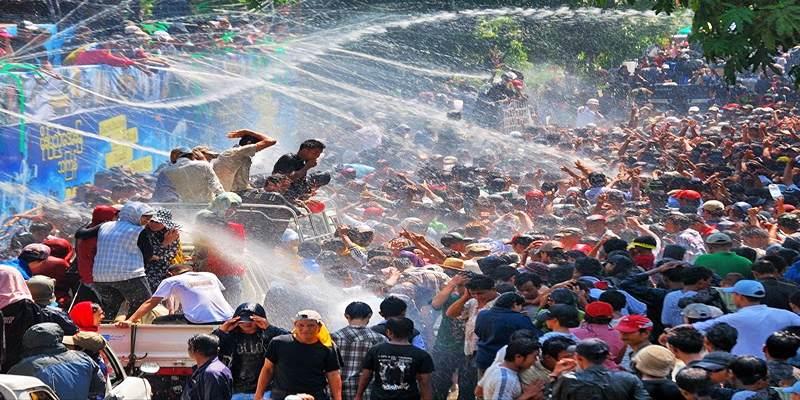
Myanmar’s festivals are windows into the spirit of its people. Whether celebrating Thingyan (Water Festival) or Thadingyut (Festival of Lights), the faces of Myanmar’s people light up with joy, mischief, and laughter.
- Water Festival: During Thingyan, families engage in water fights, music, and dance. The faces of participants glow with excitement and happiness, embracing the renewal and communal joy of the festival.
- Festival of Lights: During Thadingyut, streets are filled with glowing lanterns, and families give thanks to the Buddha. The faces of the participants reflect the warmth and joy of the occasion.
Conclusion
The faces of Myanmar are more than just physical features—they are windows into the soul of a nation. Each face, marked by tradition, resilience, and joy, tells a story of a people deeply connected to their culture and history. As Myanmar continues its journey into the future, its people remain the beating heart of the Golden Land, welcoming all who visit with warmth, kindness, and unforgettable smiles.