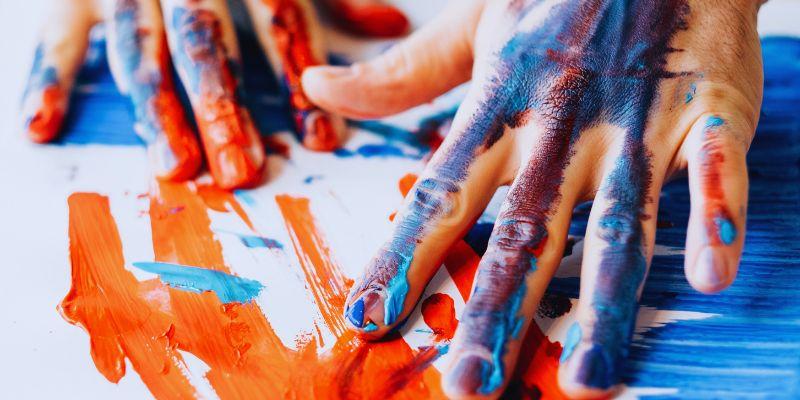
Many people suffer from pain; hence, daily living becomes challenging. While some treatments show promise, others look for fresh choices. One way people manage suffering is with art therapy. It lowers stress and discomfort through artistic pursuits, including painting, sketching, and sculpture. These pursuits increase well-being and help the mind to be diverted. Studies reveal that art therapy raises mood and reduces pain.
Art therapy helps those with medical illnesses, injuries, or persistent pain. It provides great support even though it does not substitute medical treatment. It enables people to feel more in control and communicate emotions. These days, art therapy is included in many hospitals' pain management initiatives. This article investigates the advantages of art therapy, its working principles, and who can apply it.
What Is Art Therapy?
Art therapy aims to enhance mental and physical health through artistic activities. It enables people to communicate feelings via art rather than words. Under the direction of a qualified therapist, people investigate emotions and lower stress. Among the illnesses this approach addresses are anxiety, depression, and persistent pain. Among the several artistic mediums used in the procedure are painting, drawing, coloring, and sculpting.
These exercises encourage mindfulness and relaxation, therefore helping to move attention from suffering to creativity. The goal of art therapy is emotional release and healing; it does not call for artistic ability. In many hospitals, rehabilitation facilities, and wellness programs, art therapy is included in comprehensive treatment. It provides a complete approach to recovery and balances conventional therapies.
How does Art Therapy help with Pain?
Pain shapes the body as much as the psyche. Art therapy promotes self-expression and changes the emphasis on pain.
- Distraction from Pain: Making art requires focused effort. This change of emphasis lessens the brain's focus on pain signals, making people feel involved and getting some brief respite.
- Reducing Stress and Anxiety: Pain can aggravate things by causing stress. By offering a soothing pastime, art therapy releases tension. The creative process helps one to relax and reduces worry.
- Encouraging Emotional Expression: Many in pain struggle to communicate their emotions. Art therapy lets people communicate through colors, shapes, and images. This technique raises mood and releases bad feelings.
- Boosting Endorphins: Creative hobbies help release endorphins, naturally occurring substances that enhance well-being and assist in easing suffering.
- Building a Sense of Control: People suffering from chronic pain may feel powerless. Art therapy provides them with means of emotional and reaction control. Increased confidence and coping mechanisms follow from this sense of control.
Types of Art Therapy for Pain Management
Many times, different forms of art therapy benefit in different ways. Some techniques fit particular situations more than others. Here are a few typical forms:
- Sculpting and Clay Modeling: Working with clay helps one to improve concentration and use one's hands. The tactile sensation releases tension and has a calming effect. This approach helps those with joint pain or stiffness since gentle hand motions increase mobility, providing physical and psychological relief.
- Mandala Coloring: Coloring mandalas promotes restfulness and awareness. The comforting effect of the repeating rhythms helps to reduce anxiety and stress. This easy yet powerful exercise allows everyone to enjoy its emotional comfort and therapeutic advantages without artistic ability.
- Collage Making: Images cut and pasted offer a creative approach to convey feelings. This method facilitates the processing of ideas and helps people lessen mental stress by allowing them to see their emotions physically.
- Painting and Drawing: These pursuits let people openly communicate thoughts and emotions. By emphasizing colors, forms, and brush techniques, the mind moves from suffering. This method uses creative self-expression to foster emotional healing, relaxation, and stress reduction.
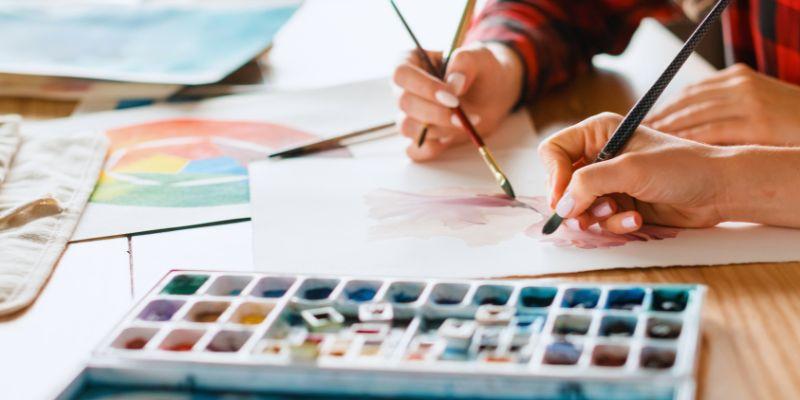
Who Can Benefit from Art Therapy?
Many people experiencing pain find great benefits from art therapy. Among those most benefited are some groups:
- Chronic Pain Patients: Art therapy typically helps those with fibromyalgia, arthritis, or chronic back pain. Participating in creative activities helps people control stress and shift their attention from discomfort to better-coping strategies for handling daily suffering.
- Cancer Patients: Art therapy is included in several cancer treatment courses. It lowers anxiety, offers emotional support, and guides patients in processing their experiences. A sense of control provided by creative expression helps people manage emotional and physical suffering.
- Injury Recovery Patients: Art therapy helps patients recover from accidents or surgery, restore motor skills, and control pain. Making art promotes movement, enhances hand-eye coordination, and offers a therapeutic release for frustration, augmenting the positive and interesting healing process.
- People with Migraines: Emotional tension and stress can all set off a migraine. Painting or drawing helps those with migraines relax, therefore lowering stress-related headaches. Creative pursuits help pain management and relaxation by encouraging attention and a calming diversion from discomfort.
How to Get Started with Art Therapy?
Anyone can try art therapy either at home or under the direction of a professional therapist. Start by selecting a creative project that includes coloring, painting, or drawing. Choose a technique that will let you express yourself and seems fun. Then, arrange a cozy area with enough lighting and the required tools. Calm and peaceful surroundings promote concentration and originality. When painting, pay more attention to the technique than the result.
Perfect art is not necessary; what counts is savoring the experience and finding emotional release from it. Reflect inner ideas and emotions in colors, forms, and designs. Regular practice is important; thus, art therapy should be included daily or weekly. This behavior can help control stress, lessen pain, and enhance well-being over time. Regarding guided sessions, think about collaborating with a qualified art therapist.
Conclusion:
Through changing focus, stress reduction, and encouragement of self-expression, art therapy is a potent tool for pain management. Creative pursuits such as painting, sculpting, and coloring help many people feel comfortable. It serves as a supporting tool with conventional treatment, even if it does not replace medical attention. Art therapy is increasingly included in hospital, clinic, and mental health center treatments to assist in patient comfort management. Art therapy is a safe and easily available alternative, and anyone may begin at home using basic techniques. Investigating this approach could increase the general quality of life, relieve emotional stress, and improve well-being.